Protecting your business properties is necessary, and utilizing CCTV monitoring is one of the most reliable ways to prevent criminal offense, display activity, and provide proof if something happens. A well-planned CCTV system makes your service more secure by keeping an eye on entryways, exits, and delicate areas at all times. With innovation improving, these systems are now much easier to use and more dependable than ever before.
Choosing the right CCTV setup for your business depends upon numerous aspects, including the size of your property, the level of coverage required, and your budget. You also require to consider features like night vision, remote tracking, and how video is saved. Requiring time to comprehend these choices implies you can select a system that genuinely matches your security needs.
Many company owner wonder whether to set up CCTV themselves or hire a professional. Each alternative has benefits and challenges, from expense and complexity to dependability. By understanding your options, you'll be able to find the best solution to protect your company and satisfy your legal requirements.
Key Considerations
Selecting the best CCTV system for your organization involves more than selecting cams. Expenses, functions, and potential challenges all play a part in finding the best technique to secure your property.
What Impacts the Cost or Decision?
Your choice of CCTV system depends on numerous factors. The kind of cameras you choose-- such as dome, bullet, or PTZ-- can impact both cost and coverage.
The size of your premises impacts the number of cameras and recorders are needed. Large storage facilities will likely need more devices than a small shop.
Environmental conditions matter too. Outdoor cams might require weatherproof, vandal-resistant housing while indoor setups typically do not.
Installation intricacy also plays a crucial role. Expert setup is more pricey but makes sure reliable results. Do it yourself packages are cheaper, however may do not have customisation and might take more time to get right.
Key Influencers:
Factor Examples Camera Type Dome, bullet, PTZ System Size Number of video cameras, coverage Location Indoor, outdoor Installation Method DIY, professional Environmental Needs Weather, lighting, securityFeatures and Benefits
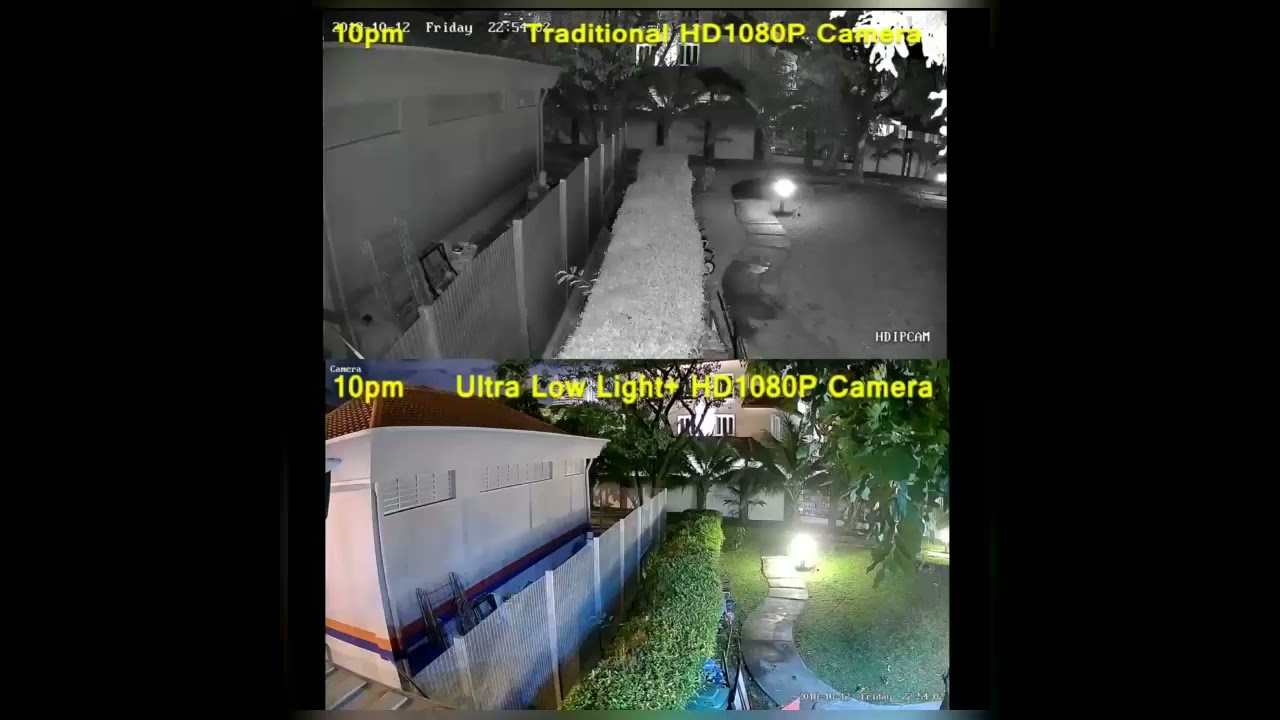
Modern CCTV systems bring a variety of useful features. Many video cameras now offer night vision, allowing clear video footage in low light. Motion detection triggers recording or alerts when motion is detected.
You can choose from systems with remote access, letting you view live video on your phone or computer system no matter where you are. Cloud storage is another benefit, conserving recordings off-site and reducing risk of loss from theft or fire.
High-definition video provides you clearer images, making it simpler to determine people and events. Some systems utilize audio recording for added detail.
List of popular features:
- Night vision Motion detection Remote access through mobile app Cloud-based or regional storage HD video quality Audio recording (where legal)
These features not just help discourage crime however likewise make it much easier to examine incidents rapidly and effectively.
Common Challenges or Considerations
Deciding in between DIY or professional installation is a difficulty for numerous business owners. DIY systems cost less up front, however you may run into setup or upkeep issues. Professional installation usually brings greater peace of mind however at a higher price.
Privacy laws are another essential factor to think about. In the UK, taping in areas like restrooms or changing spaces is prohibited. You must likewise inform personnel and visitors about CCTV, and store video firmly in line with information defense laws.
Maintenance needs must not be neglected. Video cameras might require routine cleaning or updates. Spending plan systems can be appealing, but they frequently do not have reliability. On the other hand, high-end systems cost more however offer much better security and future-proof technology.
Balancing your spending plan, security requirements, and legal requirements NVR camera kits setup is essential to selecting a system that works for your company. Preparation ahead helps avoid issues and makes sure much better protection for your property.
Price Price quotes or Options
When you are preparing to set up CCTV surveillance, understanding the price range is important. Costs can differ based on the type of cams, the size of your premises, and the intricacy of the installation.
Main aspects affecting the rate include:
- Number of video cameras needed Camera type (e.g., basic, HD, night vision) Brand and quality Wired vs. cordless systems Professional or do it yourself installation
A basic CCTV system with 2 to 4 video cameras may begin at around ₤ 300-- ₤ 600 for devices and self-installation. A professional installation will frequently include ₤ 200-- ₤ 500 or more, depending upon your site layout.
For a mid-range company system with 6 to 8 cams, you might anticipate to pay between ₤ 800-- ₤ 2,000 including setup. Advanced options, such as high-definition IP video cameras or cloud storage functions, will raise the overall price.
System Type Cameras DIY Cost Professional Installation Basic 2-- 4 ₤ 300-- ₤ 600 +₤ 200-- ₤ 500 Mid-range 6-- 8 ₤ 700-- ₤ 1,200 +₤ 400-- ₤ 800 Advanced (IP) 8-- 16 ₤ 2,000+ +₤ 1,000+You may also need to budget plan for ongoing costs such as repairs, software updates, or cloud storage fees.
Consider the long-term savings too. Some insurers use reduced premiums if your business has a CCTV system, as it is viewed as a proactive security measure.
How to Safeguard Your Business Postulates with CCTV Monitoring: Step-by-Step Guide or How-To
Installing CCTV at your business is an efficient method to enhance security and prevent criminal offense. It likewise helps you monitor activities and gather evidence if incidents happen. Selecting the best system and following essential actions are essential for the best results.
Step 1: Assess Your Security Needs
- Identify crucial areas that require keeping track of such as entryways, exits, and cash registers. Decide if you need indoor, outside, or both kinds of cameras.
Step 2: Select Suitable Cameras
- Compare various types such as dome, bullet, or cordless cameras. Look for features like night vision and motion detection. Table: Kinds of Cams and Typical Uses
Step 3: Strategy Storage Solutions
- Choose between regional (DVR/NVR) or cloud storage. Estimate just how much footage you need to keep and for how long.
Step 4: Think about Legal Requirements
- Register your CCTV system with the Info Commissioner's Office (ICO) if you tape-record public spaces. Display indications to inform people about CCTV usage.
Step 5: Select Setup Method
- Choose between do it yourself setup and working with a professional. Ensure cameras are firmly connected and have clear views of target areas.
Expert Tips:
- Test all video cameras after installation. Regularly keep and check your system for faults. Backup your video and update system passwords.
Expert Tips or Finest Practices
Make sure you put cameras at key points such as entryways, exits, and loading bays. Poor placement can leave blind areas that damage your total security.
Use high-definition electronic cameras for clearer images. Higher quality video helps with identification if an occurrence occurs.
Keep your CCTV devices well-maintained. Arrange regular checks to clean lenses, update software application, and verify that each camera is recording.
Stay GDPR certified by posting indications to inform visitors and staff about CCTV use and the factors for monitoring.
Consider these finest practices:
- Limit cam access to relied on staff. Store video footage firmly for at least 30 days, or as required by local law. Use password defense and two-factor authentication for system access.
Think about lighting when setting up cams. Great lighting enhances photo quality, particularly in the evening. If your area is improperly lit, pick video cameras with infrared or night vision.
Decide if you need remote access. Lots of modern-day systems let you view live or stored video footage from your phone or computer.
Table: Typical Errors to Avoid
Mistake How to Avoid Hiding electronic cameras completely Use visible cameras as a deterrent Forgetting data protection Keep up with legal requirements Choosing low-res cameras Invest in clear-image modelsReview and update your setup as your company grows or changes. Security needs can move over time.
Conclusion
Investing in a CCTV monitoring system is a useful action towards protecting your company. By keeping an eye on entrances, exits, and key locations, you help reduce the risk of theft, vandalism, and unauthorised access.
CCTV functions as a noticeable deterrent for potential criminals and gives you valuable evidence if an event occurs. This can support examinations and make it simpler to solve disputes.
You have lots of choices, from standard systems to innovative cameras with functions like remote access and night vision. Expert installers can assist customize the system to your requirements and ensure everything runs smoothly.
Next actions you can take:
- Identify your main security needs Compare credible systems and suppliers Request prices estimate to fit your budget Consider contacting a licensed installer for specialist advice
A carefully picked CCTV system can give you greater peace of mind and secure your personnel, possessions, and premises. For additional guidance, consult with a security specialist or organize an assessment with a trusted provider.
Frequently Asked Questions
Understanding your legal and privacy duties is important when setting up CCTV at your organization. UK laws control how footage is recorded, seen, and saved, with particular guidelines for data defense and privacy.
What are the legal requirements for setting up CCTV cameras on service premises?
You must make sure that your cameras do not get into the privacy of neighbours or passersby. The electronic cameras ought to be placed so they only cover your home when possible.
You are needed to inform people that CCTV remains in use, generally by putting up clear signs. Registering with the Details Commissioner's Office (ICO) and paying an information security fee is usually mandatory.
How does GDPR effect making use of CCTV in public areas adjacent to a business?
If your electronic cameras record areas outside your property such as pavements or neighbouring residential or commercial properties, GDPR uses. You must have a legitimate reason for gathering this footage.
You should notify people that recording is occurring, and have clear treatments for keeping and handling the data. People have rights, such as requesting access to recordings of themselves.
What are the regulations surrounding the office CCTV tracking in the UK?
CCTV monitoring in the workplace should follow information defense laws and regard employee privacy. You must only use CCTV if it is essential and make personnel familiar with its use.
Avoid putting electronic cameras in areas where personal privacy is expected, such as altering spaces and toilets. The function of tracking should be clear and just used for genuine company reasons.
Who is authorised to view CCTV video in a business setting?
Only designated team member with an authentic need must be enabled to access CCTV video. Access should be limited and well documented.
You must keep logs showing who has actually seen the video footage and for what function. Staff ought to be trained on information dealing with and confidentiality.
Is there a need for a dedicated CCTV policy within a UK company?
Having a clear CCTV policy is advised. It sets out rules for installation, usage, and data handling.
The policy ought to cover who can access video footage, how long it is kept, and how ask for access are handled. Share the policy with all employees and update it as needed.
Are companies needed to get a licence to operate CCTV monitoring systems in the UK?
Most organizations do not require a licence to operate standard CCTV systems on their premises. Nevertheless, if your system consists of audio recording or runs in public locations, there may be other permissions required.
You must constantly abide by information defense laws. If you're unsure, consult the ICO or seek legal advice.