If you are thinking about improving your home's security, installing CCTV video cameras is a typical choice. CCTV systems can assist discourage criminal activity, offer you assurance, and allow you to keep an eye on your residential or commercial property, even when you're away. However, having video cameras at home likewise includes important considerations, like expense, privacy, and picking the best system for your needs.
There are numerous types of CCTV cameras and setup alternatives, from basic do it yourself systems to more advanced setups with night vision and cloud storage. Your decision might depend upon your budget plan, residential or commercial property design, and whether you choose to set it up yourself or call a professional.
Understanding both the benefits and challenges of home CCTV can help you make the very best option for your family's security. This article will look at what you need to know before getting going so you can decide if CCTV is right for you.
Key Considerations
When choosing if CCTV is right for your home, it is necessary to plainly comprehend the main costs, readily available features, and possible difficulties. Excellent preparation makes the process simpler and helps you avoid typical errors when picking or installing a camera system.
What Affects the Cost or Decision?
There are several factors that can affect just how much you pay for a CCTV system and which system you select. The main expense originates from the type and number of cams you set up. Bigger homes typically need more video cameras and a bigger network, which increases the price.
Installation can likewise alter the final cost. Expert installation is typically more costly however frequently produces better outcomes. If you attempt to do it yourself, you might conserve money, however you need to be sure you can set it up correctly.
It is necessary to also consider continuous costs, such as cloud storage fees, power use, and regular upkeep. Location matters also. Outdoor cams typically cost more due to weatherproofing and additional functions, while indoor video cameras can be easier and cheaper.
Features and Benefits
Modern CCTV systems feature a number of functions that can improve your home security. Many electronic cameras now consist of night vision to tape-record clear video in the evening, wide-angle lenses for better protection, and sound recording in some models.
Key functions you might want to search for consist of:
- Wireless connection: Simpler to set up and move, but sensitive to Wi-Fi quality. Cloud storage: Lets you gain access to video from your phone, however may have monthly fees. Motion detection: Saves storage area and informs you to movement. Mobile informs: Keeps you updated in genuine time if the electronic camera identifies anything unusual.
These functions can assist keep your home safe and make it much easier for you to view your property from anywhere.
Common Obstacles or Considerations
There are likewise challenges you may face when setting up CCTV in the house. One typical problem is improper electronic camera positioning, which can leave blind spots and decrease system efficiency. Ensure video cameras cover essential entry points and public areas around your home.
Deciding in between do it yourself installation and employing a professional is another obstacle. Do it yourself is budget-friendly if you have technical skills, while expert setup can be more reputable however expenses more.
Privacy is likewise important. Electronic cameras pointed outside your home may catch parts of neighbours' homes or public courses. Before setup, check regional guidelines to avoid personal privacy problems and legal issues. You must likewise think of keeping your cam system's software application as much as date to protect against hackers.
Price Quotes or Options
The expense of setting up CCTV electronic cameras in the house differs depending on a few crucial factors, such as the number of cams, kind of system, and whether you employ a professional.
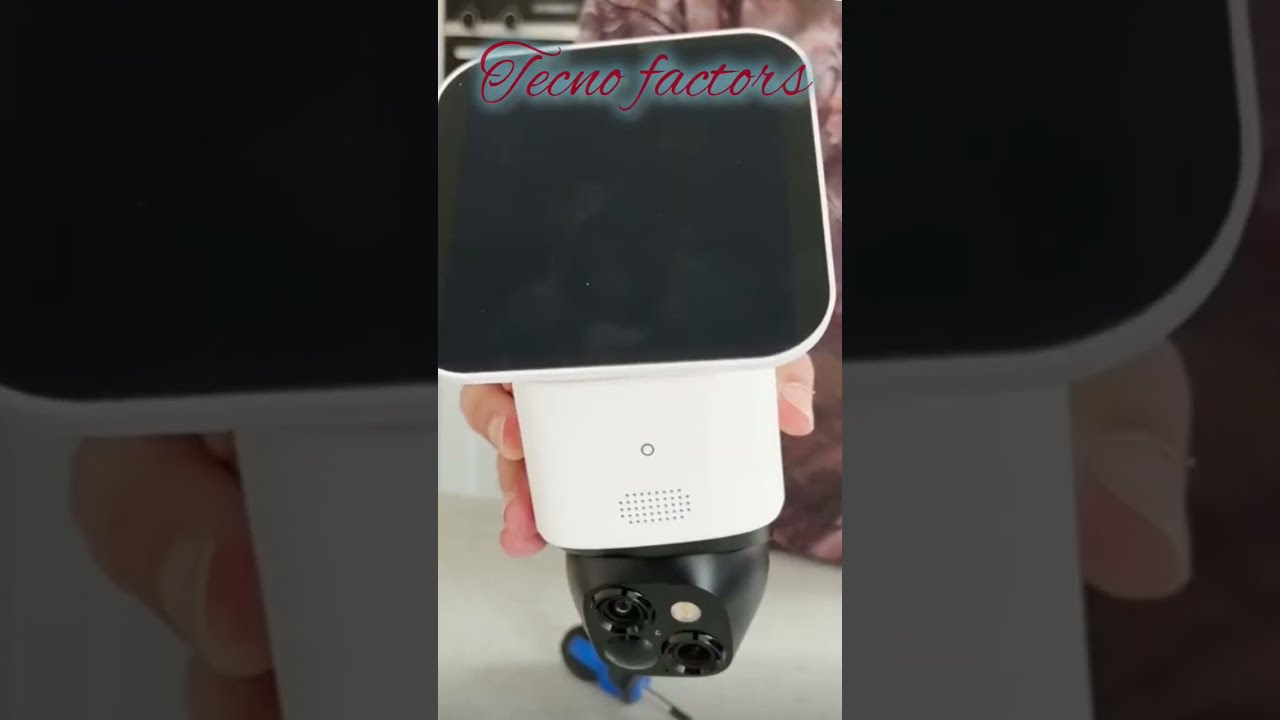
For a standard four-camera wired CCTV system, you can expect costs starting from ₤ 800 + VAT with expert installation. Less expensive alternatives are available for simpler needs. Standard systems with less functions might cost in between ₤ 250 and ₤ 500 for installation.
Here's a fast comparison table for reference:
Type of System Estimated Cost Basic (2-4 electronic camera, DIY install) ₤ 250-- ₤ 350 Basic (pro set up, 4 video cameras) ₤ 350-- ₤ 800+ VAT Larger, advanced systems ₤ 1,000+Some costs will depend on your place and the particular requirements of your home. Extra functions, such as night vision, remote gain access to, or cloud storage, can raise the price.
DIY installation is generally cheaper but needs some technical skill. Professional installation costs more however provides a more dependable setup and continuous support.
When choosing a CCTV system, consider your security goals and set a budget plan that matches your requirements. Getting a quote from a regional expert can help clarify your options.
How to Choose, Install, or Implement
Selecting and setting up CCTV cameras in the house includes making careful decisions about the type of system, placement, and setup approach. Following a clear procedure and using expert suggestions will help you get the very best security results.
Step-by-Step Guide or How-To
Assess Your Requirements:
Choose what you want to keep an eye on. Make a list of crucial entry points and vulnerable locations like doors, windows, and garages.
Select Electronic camera Types:
Pick between wired and wireless cams. Consider features like night vision, movement detection, and video quality.
Check Legal Assistance:
If you live in the UK, check regulations around personal privacy, signs, and data security. You might need to inform neighbours or display indications if your electronic cameras can see shared spaces.
Plan Cam Placement:
Draw a map of your home and mark where video cameras will go. Aim to cover primary entryways, but prevent pointing cams straight at public spaces or neighbouring properties.
Install the System:
Follow the maker's instructions. For cordless electronic cameras, connect to your Wi-Fi and app. Wired systems may require drilling and wiring, which can be more complex.
Test and Adjust:
Check the camera views using your display or app. Adjust angles to prevent blind areas till you are satisfied with the coverage.
Expert Tips or Best Practices
- Invest in Quality: Invest a bit more on electronic cameras from trusted brands. High-definition video cameras supply clearer images, which can help in recognizing people or incidents. Think About Storage: Decide if you want cloud storage or local recording like a DVR. Cloud storage is simpler to access however may have a month-to-month fee. Place Cameras Carefully: Mount electronic cameras a minimum of 2.5 metres high. This helps prevent tampering but still catches clear footage. Secure Your System: Modification default passwords. Usage strong, special logins for your video cameras and apps to protect versus hacking. Professional Setup: If you are not sure about wiring or positioning, think about hiring a licensed installer. They can set up the system much faster and in line with legal requirements. Keep Software application Updated: Routinely upgrade your cams' firmware. Updates assist close security spaces and keep your system running smoothly.
Conclusion
When deciding about CCTV for your home, it is essential to look at both the advantages and the challenges. Security video cameras can assist discourage crime, give you peace of mind, and make it simpler to check in on your property.
However, there are also some downsides to consider. Privacy, cost, and the requirement to keep your system are very important elements. You require to examine if utilizing video cameras fits with your own requirements and your home's layout.
Here's an easy checklist to assist you progress:
- Check local laws: Ensure you comprehend rules about personal privacy and electronic camera use. Set a budget: Decide just how much you can spend on equipment and installation. Compare features: Search for beneficial choices like night vision, movement detection, and cloud storage. Choose setup type: Decide if you wish to set up the system yourself or use a professional.
If CCTV cameras reviews you are still uncertain, think about connecting to a security specialist for assistance or a quote. Talking to an installer can assist you compare your options and discover a system that matches your needs.
It's an excellent concept to examine a few various systems or suppliers before making your decision.
Frequently Asked Questions
Using CCTV video cameras at home can assist increase security, protect property, and supply assurance. Nevertheless, there are very important aspects to consider, such as privacy, costs, maintenance, and the possible influence on neighbours.
What are the main advantages of having home CCTV systems?
CCTV systems use a method to monitor your home in actual time. They can provide video footage as evidence if an incident occurs, and you can inspect what is occurring in your home while you are away. Some systems support functions like night vision and motion alerts.
Can installing home CCTV systems hinder criminal activity?
Visible CCTV video cameras might prevent break-ins and vandalism since potential wrongdoers understand they are being viewed. Studies reveal that homes with security electronic cameras are less most likely to be targeted by criminals. The presence of cams adds a fundamental level of deterrence.
What are the personal privacy concerns connected with home CCTV installation?
You should ensure security cameras that your video cameras only monitor your property and do not tape inside neighbours' homes or public areas without consent. Installing video cameras in certain areas, like bed rooms or bathrooms, can break the privacy of family members. Hacking is another concern, as unauthorised access might put your private recordings at risk.
How do domestic CCTV systems effect insurance premiums?
Some insurance companies use discounts if you have CCTV installed at home because it decreases the likelihood of theft or damage. Nevertheless, not all insurers supply this advantage, and the quantity you conserve differs in between service providers. Always contact your insurer before anticipating any reduction.
Are there any negative ramifications for neighbourly relations when installing CCTV at home?
Pointing electronic cameras towards a neighbour's garden or windows might lead to disputes or complaints. It is best to inform your neighbours about your plans before you install cams and make certain your system does not attack their personal privacy. Following local standards can assist avoid misunderstandings.
What upkeep considerations ought to be taken into consideration for home CCTV systems?
You need to regularly check that your electronic cameras are tidy and without blockages. Updating the software application and firmware is very important to prevent hacking and keep your system working effectively. Every few months, evaluation footage quality and storage to ensure your devices is dependable and operating as expected.